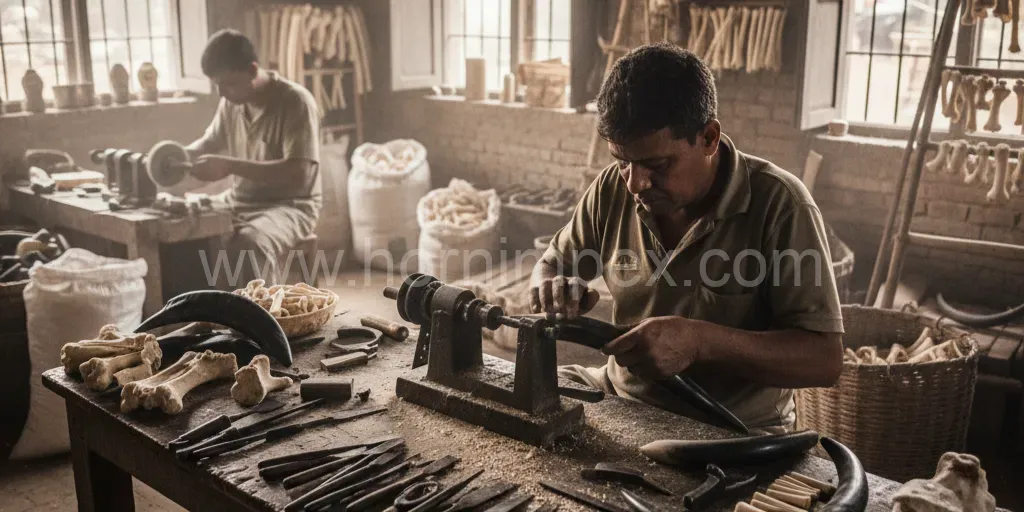
Buffalo horn is one of the most misunderstood natural materials in global trade. Because it comes from an animal source, many people automatically associate it with restricted wildlife products such as ivory, causing confusion among designers, manufacturers, and international buyers.
A common question is:
Is buffalo horn legal?
The answer is generally yes — when it is sourced from domesticated animals, properly documented, and traded according to local regulations.
Buffalo horn is different from ivory, exotic wildlife materials, and protected animal products. It is primarily a keratin-based material obtained from domesticated water buffalo and is commonly considered an agricultural by-product.
However, legality depends on important factors such as:
This guide explains buffalo horn legality, ethical sourcing, sustainability, and international trade considerations for businesses and researchers.
Buffalo horn is a natural material obtained from domesticated water buffalo (Bubalus bubalis).
The horn is primarily composed of keratin, the same protein found in:
From a material perspective, buffalo horn is different from:
It has been traditionally used for:
Its natural strength, flexibility, and appearance make it valuable for artisans and product developers.
Buffalo horn from domesticated animals is generally legal because it does not come from protected wildlife species.
The key distinction is:
Domestic livestock horn = regulated agricultural by-product
Wildlife horn/ivory = protected conservation material
Legal problems usually occur because of:
The material itself is not automatically prohibited.
One of the biggest reasons for confusion is the similarity people assume between horn and ivory.
However, they are biologically different.
| Feature | Buffalo Horn | Ivory |
|---|---|---|
| Composition | Keratin | Dentin |
| Source | Domestic buffalo | Elephant and other protected species |
| Trade status | Generally permitted with compliance | Highly restricted |
| Conservation concern | Low when responsibly sourced | Extremely high |
| Material structure | Layered protein structure | Tooth-like structure |
Buffalo horn is not ivory and should not be classified as an ivory substitute.
India is one of the major regions associated with buffalo horn craftsmanship.
Buffalo horn from domesticated livestock is generally considered an agricultural by-product.
Legal trade depends on:
India has strict wildlife protection laws, but domesticated buffalo horn is different from protected wildlife materials.
For exporters, maintaining proper records and transparent sourcing information is essential.
Buffalo horn products can generally be imported into the United States when:
Importers should ensure:
Most issues arise from unclear paperwork rather than the material itself.
In the European Union, buffalo horn is generally treated differently from protected wildlife materials.
Businesses should consider:
Clear material identification helps prevent unnecessary delays.
After Brexit, the UK follows its own import and animal by-product regulations.
Buffalo horn products may require:
Businesses should always verify current requirements before large-scale imports.
A common question from international buyers is:
Is buffalo horn banned under CITES?
Buffalo horn from domesticated water buffalo is generally not treated like endangered wildlife materials covered by strict CITES restrictions.
However, traders must ensure:
Legality and ethics are closely connected, but they are not the same thing.
A material can be legal but still raise ethical questions if the sourcing process lacks transparency. For buffalo horn, the main ethical consideration is whether the horn is obtained responsibly.
Ethically sourced buffalo horn generally follows these principles:
The animal is not raised or killed specifically for its horn. Instead, the horn is utilized after the animal's agricultural lifecycle.
This approach supports a more circular use of natural resources.
The sourcing process is an important factor for manufacturers and importers.
A responsible buffalo horn supply chain typically involves:
Buffalo are primarily raised for:
The horn is not the primary reason for raising the animal.
After processing, horns that may otherwise become waste can enter the craft and manufacturing supply chain.
This creates additional value from an existing biological resource.
Collected horn material is:
Depending on the intended application, it can be processed into:
Buffalo horn is increasingly discussed as a sustainable material because it has several environmentally beneficial characteristics.
Buffalo horn is a naturally occurring biological material rather than a petroleum-based synthetic product.
Unlike many plastics, buffalo horn can naturally break down over time.
It does not create long-lasting synthetic waste in the same way petroleum-based materials can.
Plastic alternatives may contribute to microplastic pollution.
Buffalo horn does not create synthetic plastic particles during natural decomposition.
When properly processed, buffalo horn products can be durable and long-lasting.
This reduces the need for frequent replacement.
| Feature | Buffalo Horn | Plastic/Resin |
|---|---|---|
| Origin | Natural biological material | Petroleum-based synthetic |
| Biodegradable | Yes | Generally no |
| Microplastic concerns | No | Yes |
| Chemical manufacturing | Limited | High |
| Material uniqueness | Natural variation | Artificial appearance |
| Waste impact | Lower when responsibly sourced | Long-term pollution risk |
However, sustainability depends on responsible processing, energy use, and supply chain practices.
A natural material alone does not automatically guarantee ethical production.
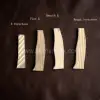
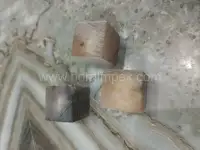
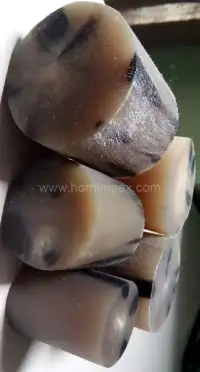
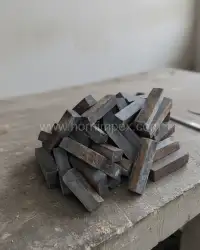
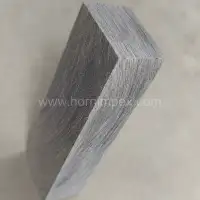
Buffalo horn blocks are semi-processed forms of horn material used by designers, manufacturers, and artisans.
They provide flexibility for creating customized products.
Common applications include:
Horn blocks allow manufacturers to shape the material according to specific design requirements.
Businesses working with buffalo horn should focus on proper documentation.
Important considerations include:
Avoid unclear descriptions.
The product should clearly state:
Importers should maintain information about:
Correct classification helps avoid delays.
Incorrect labeling may create confusion with restricted wildlife materials.
Reliable suppliers should provide:
Not all animal-derived materials have the same legal status.
Regulations depend on:
Buffalo horn should never be marketed as ivory.
They are completely different materials.
Incorrect terminology can create customs and compliance issues.
Each market may have different requirements.
Importers should verify:
Businesses should avoid suppliers who cannot explain:
Designers are increasingly exploring buffalo horn because it combines:
It is used in sustainable design discussions as an example of utilizing existing resources instead of producing additional synthetic materials.
Applications include:
Regions with traditional horn craftsmanship demonstrate how natural materials can support skilled communities.
Artisan-based production often involves:
This creates value beyond the material itself by preserving cultural skills and supporting local employment.
This information is especially important for:
To avoid customs issues and ensure compliant trade.
To select responsible natural materials.
To maintain transparent sourcing.
To understand natural material alternatives.
To communicate accurate environmental claims.
Yes, buffalo horn is generally considered a legal material when it comes from domesticated animals and follows proper sourcing and trade requirements.
The key factors are:
Buffalo horn is not ivory and should not be treated as a protected wildlife material when sourced from domestic buffalo.
From a sustainability perspective, responsibly processed buffalo horn offers advantages as a natural, durable, and biodegradable material compared with many synthetic alternatives.
For designers, manufacturers, and importers, understanding the difference between legal compliance and ethical responsibility is essential for building trustworthy products and supply chains.
Yes, buffalo horn is generally legal when sourced from domesticated buffalo and traded with proper documentation. It is different from protected wildlife materials such as ivory.
No. Buffalo horn from domestic animals is generally not banned internationally. However, import rules and documentation requirements vary by country.
No. Buffalo horn is made of keratin, while ivory is made of dentin. They have different biological structures and legal classifications.
Responsibly sourced buffalo horn can be considered sustainable because it uses a natural by-product, is biodegradable, and avoids petroleum-based synthetic materials.
Yes, buffalo horn products can generally be exported when suppliers follow applicable documentation and customs requirements.
No. Ethical buffalo horn comes from domesticated water buffalo, not endangered wildlife species.
Yes. Designers use buffalo horn because of its natural appearance, durability, and suitability for handcrafted and eco-conscious products.
Looking to know more? Get in touch
Buffalo horn is often misunderstood due to confusion with ivory and other animal-derived materials. This guide explains whether buffalo horn is legal, ethical, and sustainable, covering sourcing practices, international trade considerations, material properties, and compliance factors for designers, manufacturers, and importers. It also explains how buffalo horn is classified, why responsible sourcing matters, and what businesses should know before using this natural material. From manufacturing applications to global trade awareness, this guide helps readers understand buffalo horn with clarity and factual information.
Manufacturing Techniques & Craftsman...

Thanks for valuable information