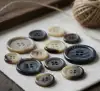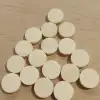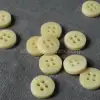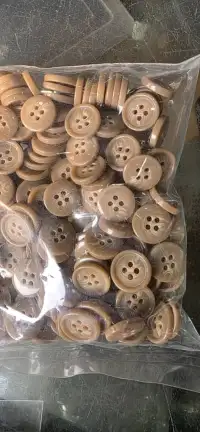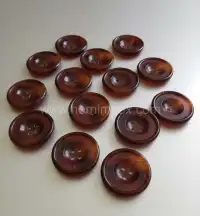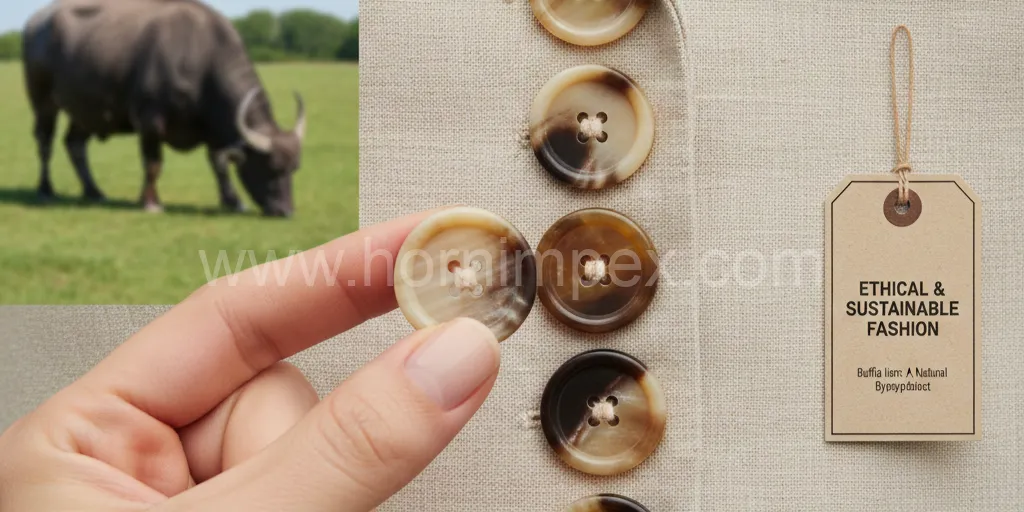
Ethical buffalo horn buttons are premium garment fasteners handcrafted from natural buffalo horn that has been responsibly sourced without harming animals solely for button production. These buttons are valued not only for their luxurious appearance but also for their environmental benefits and exceptional durability.
Unlike mass-produced plastic buttons, every buffalo horn button possesses its own distinctive texture, grain pattern, and color variation. Shades naturally range from creamy ivory and amber to rich brown and deep black, making every button unique.
The term "ethical" refers to the responsible collection of buffalo horn through approved and sustainable channels. Instead of encouraging unnecessary animal exploitation, manufacturers utilize horns that are naturally available as by-products of the livestock industry. This responsible sourcing reduces waste while supporting environmentally conscious manufacturing.
Today, ethical buffalo horn buttons are widely used in:
Their premium appearance and natural individuality make them an excellent alternative to synthetic fasteners for brands committed to sustainability.
The outstanding performance of buffalo horn buttons begins with the unique properties of the material itself.
Buffalo horn consists primarily of keratin, the same natural protein found in human hair, fingernails, and animal hooves. Keratin provides an ideal balance of strength, flexibility, and durability, allowing horn buttons to withstand everyday wear without becoming brittle.
Unlike many synthetic materials, buffalo horn maintains its integrity even after years of regular use. When properly polished, the material develops a rich natural shine without requiring artificial coatings or chemical finishes.
Some important material characteristics include:
Buffalo horn possesses a dense fiber structure that resists cracking under normal garment use. Its natural flexibility also reduces the likelihood of breakage compared to more brittle natural materials.
No two buffalo horn buttons are identical. Every piece displays distinctive grain patterns created by nature, giving garments a premium handcrafted character that cannot be replicated by plastic molding.
Despite their strength, buffalo horn buttons remain lightweight, making them ideal for shirts, jackets, coats, and luxury apparel where comfort is essential.
The material can be carved, polished, engraved, laser marked, dyed, or finished in numerous ways, allowing manufacturers to create customized buttons for fashion brands and designers.
Unlike plastic buttons that remain in landfills for decades, buffalo horn naturally decomposes over time, making it an environmentally responsible choice for sustainable fashion collections.
As consumers become increasingly conscious about the environmental and social impact of fashion, transparency throughout the supply chain has become more important than ever.
Ethical buffalo horn buttons are distinguished not simply by the material they use but by the responsible practices followed during sourcing and production.
Responsible manufacturers ensure that buffalo horn is collected only through legitimate and sustainable channels. The horns are obtained as natural by-products of regulated livestock industries rather than from animals raised specifically for horn harvesting. This approach prevents unnecessary waste while promoting responsible resource utilization.
Ethical sourcing also extends beyond environmental considerations. It includes fair labor practices, safe working conditions, respect for traditional craftsmanship, and support for artisan communities that have preserved horn carving skills for generations.
For fashion brands committed to sustainability, choosing ethically sourced buffalo horn buttons demonstrates a broader commitment to responsible manufacturing, transparent supply chains, and environmentally conscious product development.
India is one of the world's leading producers of handcrafted buffalo horn products, with Sambhal, Uttar Pradesh, serving as the country's most renowned center for horn craftsmanship.
The sourcing process typically follows several responsible stages:
Buffalo horns are collected through authorized channels after livestock processing, ensuring that no animals are harmed solely for horn production.
The collected horns are thoroughly cleaned and inspected to remove impurities while selecting only high-quality raw materials suitable for premium button manufacturing.
Each horn is carefully graded based on thickness, density, natural coloration, and structural quality. This grading process ensures consistent production standards.
Manufacturers aim to maximize the use of every horn by producing buttons, fashion accessories, handicrafts, and decorative products from different sections of the material. This minimizes waste and improves overall resource efficiency.
Through these practices, ethical buffalo horn button production supports both environmental sustainability and local artisan livelihoods while preserving centuries-old craftsmanship.
The manufacturing of ethical buffalo horn buttons combines traditional craftsmanship with responsible production practices. Unlike mass-produced plastic buttons that rely on petroleum-based raw materials and automated molding, buffalo horn buttons are handcrafted using natural horn collected through ethical sourcing methods.
Every stage of the manufacturing process is designed to preserve the horn's natural beauty while minimizing waste and maintaining product quality. Skilled artisans inspect each horn carefully, ensuring only suitable sections are selected for button production.
The process begins with responsibly sourced buffalo horn obtained as a by-product of the regulated livestock industry. Ethical manufacturers never procure horns from endangered species or support practices that harm animals solely for decorative purposes.
Each horn is carefully examined for:
Only premium-quality horn is selected for manufacturing high-end garment buttons.
Before processing begins, the horns undergo thorough cleaning to remove dust, natural oils, and impurities.
The cleaning process generally includes:
Proper cleaning not only improves product hygiene but also ensures that the material is ready for cutting and polishing.
Experienced craftsmen cut the horn into flat sections using precision cutting equipment. Since buffalo horn has a natural curved structure, artisans carefully identify the best portions that provide maximum usable material.
These sections are converted into circular or custom-shaped blanks according to the required button size.
Common sizes include:
Careful cutting minimizes raw material waste while preserving the horn's natural patterns.
After cutting, every blank is shaped into its final form.
Depending on customer requirements, manufacturers produce:
During this stage, skilled artisans ensure that every button has balanced dimensions, smooth edges, and consistent thickness.
Accurate hole placement is essential for functionality.
Modern drilling equipment combined with artisan expertise creates perfectly aligned sewing holes that improve durability and ease of stitching.
Every button is individually inspected to ensure:
This level of precision is especially important for luxury garments where even minor inconsistencies can affect the final appearance.
Sambhal, located in Uttar Pradesh, has been recognized for generations as one of India's leading centers for horn craftsmanship. The region has developed a strong reputation for producing handcrafted horn products that are exported to fashion brands and garment manufacturers around the world.
Local artisans inherit specialized skills through generations of family craftsmanship, allowing them to transform natural buffalo horn into premium-quality buttons while preserving traditional manufacturing techniques.
Unlike fully automated production facilities, Sambhal's workshops combine handcrafted expertise with modern finishing methods to achieve consistent quality while retaining the natural character of every button.
This combination of traditional knowledge and responsible manufacturing has made Sambhal an important contributor to India's sustainable fashion accessory industry.
Sustainability is one of the primary reasons global fashion brands continue to adopt buffalo horn buttons over synthetic alternatives.
Unlike plastic buttons that remain in landfills for decades, buffalo horn is a natural material composed primarily of keratin. Once discarded, it decomposes naturally without leaving harmful microplastic pollution.
Ethical manufacturers utilize buffalo horn that would otherwise become waste after livestock processing. By converting this natural by-product into valuable fashion accessories, manufacturers support a circular economy and improve resource efficiency.
Plastic button production depends on fossil fuels and chemical-intensive manufacturing processes. Ethical buffalo horn button production requires significantly less synthetic processing while utilizing a renewable natural material.
This contributes to reducing dependence on petroleum-based products and supports more environmentally responsible manufacturing practices.
Durability is another important sustainability factor.
Because buffalo horn buttons are naturally strong and resistant to daily wear, garments remain functional for longer periods. Long-lasting accessories reduce the need for frequent replacement, helping extend the lifespan of clothing.
Choosing ethical buffalo horn buttons also supports the livelihoods of skilled artisans who preserve centuries-old craftsmanship.
Responsible production creates employment opportunities, encourages skill development, and helps maintain traditional handcraft industries while promoting sustainable economic growth in artisan communities.
| Feature | Ethical Buffalo Horn Buttons | Plastic Buttons |
|---|---|---|
| Material | Natural keratin | Petroleum-based plastic |
| Environmental Impact | Low | High |
| Biodegradable | Yes | No |
| Appearance | Unique natural grain | Uniform artificial finish |
| Durability | Excellent | Moderate |
| Sustainability | High | Low |
| Luxury Appeal | Premium | Standard |
| Resource Use | Natural by-product | Synthetic manufacturing |
For fashion brands committed to sustainability, buffalo horn buttons offer an ideal balance of aesthetics, durability, and environmental responsibility. Their natural beauty, handcrafted quality, and ethical sourcing make them a preferred choice for premium garments in today's eco-conscious market.
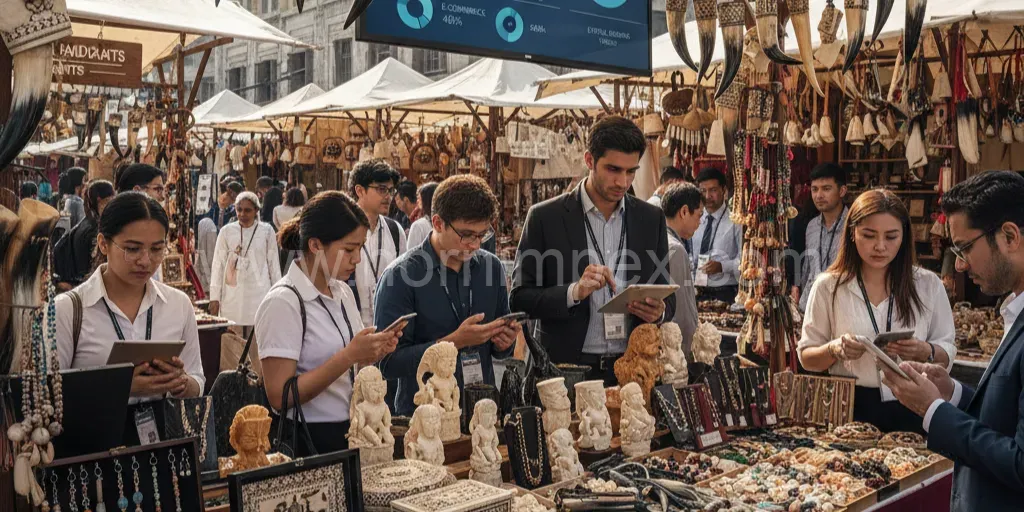
The global demand for ethical buffalo horn buttons has increased significantly as fashion brands embrace sustainable materials and transparent supply chains. Designers, garment manufacturers, and luxury apparel brands across Europe, North America, Japan, and Australia increasingly prefer natural horn buttons over synthetic alternatives because they align with modern sustainability goals.
Since buffalo horn is a natural by-product rather than a material sourced from endangered wildlife, it is legally traded in many countries. However, buyers and suppliers must ensure compliance with import regulations, documentation requirements, and ethical sourcing standards.
Ethically sourced buffalo horn buttons can generally be exported to international markets when suppliers maintain proper documentation regarding the origin of the raw material.
Responsible exporters usually provide:
Maintaining complete documentation improves buyer confidence and facilitates smoother customs clearance.
Buffalo horn buttons are generally permitted for import because water buffalo are not classified as endangered species. Importers should work with reputable suppliers that can provide documentation confirming ethical sourcing and legal origin.
Many European fashion brands prioritize sustainable sourcing and supply chain transparency. Suppliers who follow responsible manufacturing practices and maintain clear documentation are better positioned to serve these markets.
Similar principles apply in many international markets, where buyers increasingly evaluate suppliers based on sustainability, ethical production, and traceability in addition to product quality.
Selecting the right supplier is essential for maintaining product quality and protecting your brand's reputation. Ethical sourcing should go beyond marketing claims and be supported by transparent business practices.
When evaluating suppliers, consider the following factors:
Choose manufacturers who clearly explain how buffalo horns are obtained and can demonstrate that the material comes from legitimate and responsible sources.
Experience matters in natural material processing. Skilled manufacturers produce buttons with consistent dimensions, smooth finishes, and excellent durability while preserving the natural beauty of the horn.
Reliable suppliers inspect products throughout every stage of production to ensure:
Strict quality control helps reduce defects and ensures every shipment meets international buyer expectations.
Fashion brands often require customized buttons that reflect their unique designs. An experienced supplier should be able to offer:
Because of their premium appearance and natural durability, ethical buffalo horn buttons are used across a wide range of fashion and lifestyle products.
Common applications include:
Their distinctive natural grain ensures that every finished garment has an exclusive and sophisticated appearance.
Even experienced buyers sometimes make purchasing decisions based solely on price. However, quality, ethical sourcing, and craftsmanship play a much greater role in the long-term value of buffalo horn buttons.
Some common mistakes include:
Always ask about raw material sourcing and production methods. Ethical manufacturing strengthens supply chain transparency and reduces reputational risks.
Natural horn is a premium material that requires skilled processing. Poor craftsmanship can result in uneven surfaces, weak drilling, or inconsistent finishing.
Low-cost products may compromise on material quality or finishing standards. Investing in well-crafted buttons improves garment quality and customer satisfaction.
Before placing bulk orders, buyers should request samples to evaluate polishing, consistency, durability, and overall finish.
The global fashion industry is moving toward environmentally responsible production, making natural materials increasingly valuable. Consumers today expect brands to use sustainable components without compromising quality or design.
Ethical buffalo horn buttons are well positioned to support this shift because they combine:
As circular economy principles become more important, responsibly manufactured buffalo horn buttons are expected to remain a preferred choice for luxury fashion, bespoke tailoring, and sustainable apparel collections.
Ethical buffalo horn buttons represent far more than a premium garment accessory. They demonstrate how traditional craftsmanship, responsible sourcing, and sustainable manufacturing can work together to create products that meet the expectations of modern fashion brands.
From the skilled artisans of Sambhal to international apparel manufacturers, every stage of production reflects a commitment to quality, environmental responsibility, and heritage craftsmanship. By utilizing naturally available horn as a by-product of the livestock industry, manufacturers reduce waste while creating durable, biodegradable, and visually distinctive buttons that enhance premium garments.
For designers, apparel brands, and buyers seeking sustainable alternatives to plastic fasteners, ethical buffalo horn buttons offer an ideal combination of functionality, elegance, and environmental responsibility. Choosing responsibly sourced natural horn buttons not only elevates product quality but also supports artisan communities and contributes to a more sustainable future for the global fashion industry.
Ethical buffalo horn buttons are made from naturally available horn obtained as a by-product of the livestock industry. They are manufactured through responsible sourcing practices without harming animals solely for button production.
Yes. Buffalo horn buttons are biodegradable, durable, and produced from a natural material that helps reduce dependence on petroleum-based plastic buttons.
Sambhal has a long history of horn craftsmanship. Skilled artisans in the region have preserved traditional techniques for generations while producing premium-quality buttons for domestic and international markets.
Yes. Their natural grain, elegant appearance, and excellent durability make them a preferred choice for luxury shirts, blazers, coats, and designer fashion.
Yes. Manufacturers can produce custom sizes, shapes, finishes, laser engravings, and logo designs according to brand requirements.
Buffalo horn buttons are naturally durable and resistant to everyday wear. They also maintain their appearance over time, making them a premium alternative to many plastic buttons.
Buyers should work with reputable manufacturers that maintain transparent sourcing practices, follow quality control procedures, and provide appropriate documentation regarding the origin of the raw material.
Looking to know more? Get in touch
As sustainability becomes a defining factor in the global fashion industry, brands are actively replacing synthetic materials with eco-friendly alternatives that align with responsible manufacturing practices. Among these alternatives, ethical buffalo horn buttons have earned a reputation as one of the most durable, elegant, and environmentally responsible choices for premium garments and fashion accessories. Unlike plastic buttons manufactured from petroleum-based materials, buffalo horn buttons are created from naturally available horn obtained as a by-product of the livestock industry. Instead of becoming waste, the raw material is transformed by skilled artisans into high-quality buttons that combine functionality with timeless aesthetics. This approach not only minimizes environmental impact but also supports circular economy principles by utilizing a renewable natural resource. India, particularly the town of Sambhal in Uttar Pradesh, has become internationally recognized for producing handcrafted buffalo horn buttons. Generations of artisans continue to preserve traditional craftsmanship while supplying sustainable fashion brands, garment manufacturers, and designers across Europe, North America, and Asia. This comprehensive guide explores everything you need to know about ethical buffalo horn buttons, including their composition, ethical sourcing practices, manufacturing process, sustainability advantages, craftsmanship, international trade considerations, and why they have become a preferred choice for modern fashion.
Industry & Market Insights: Horn &am...
No reviews available for this blog.