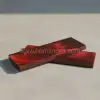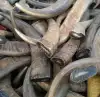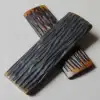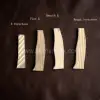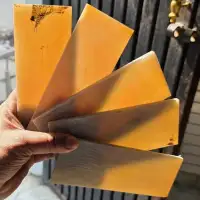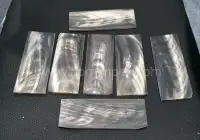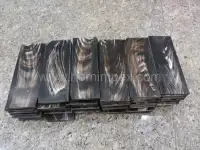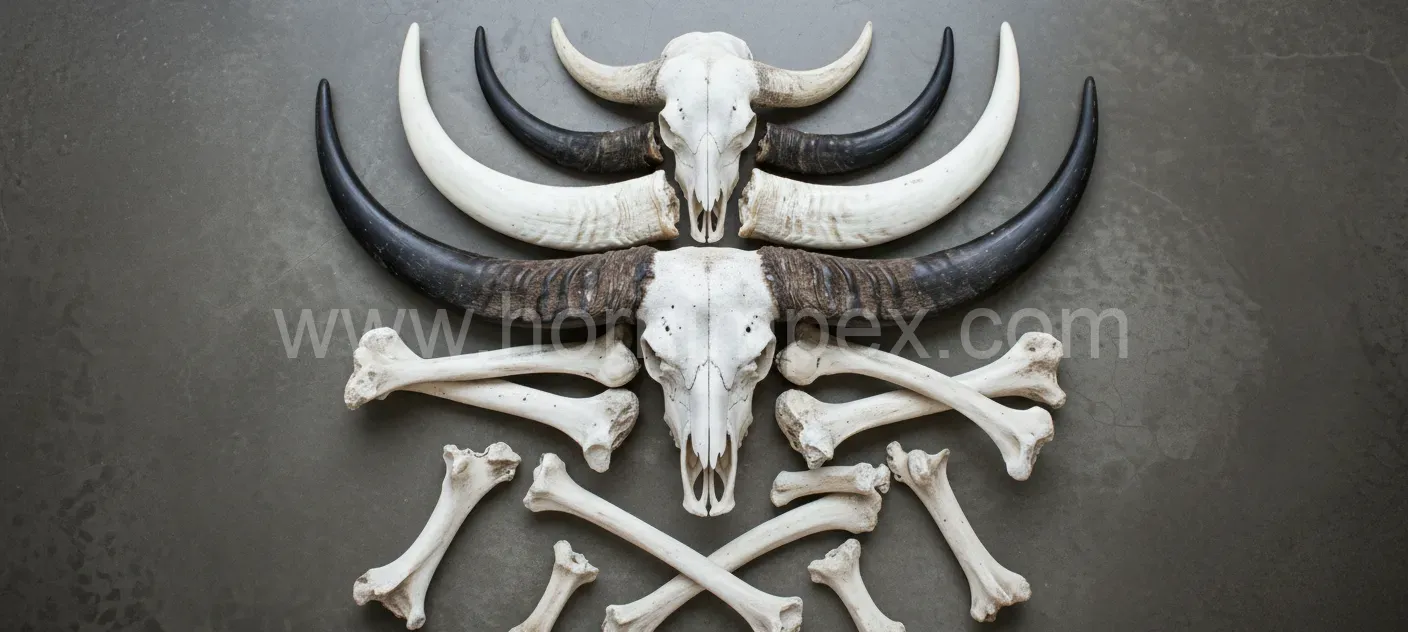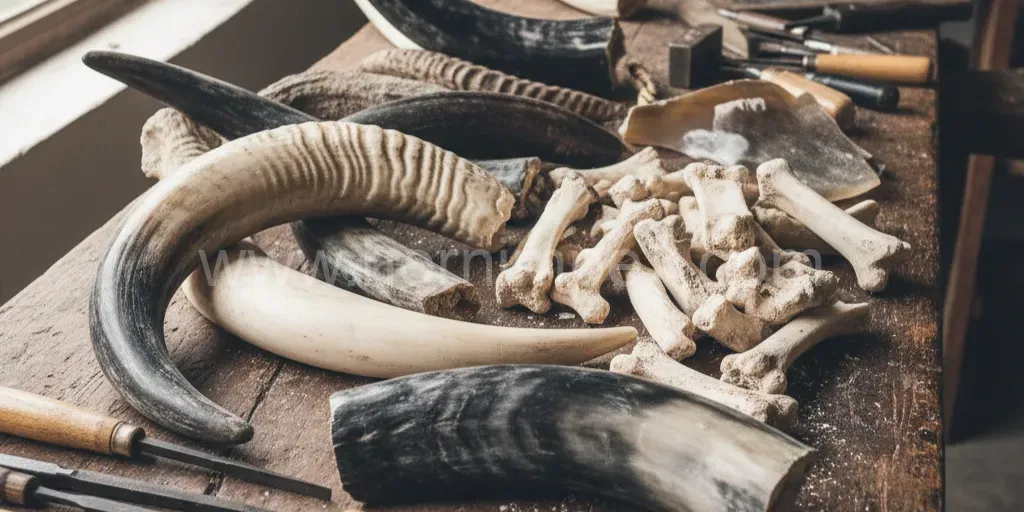
Buffalo horn raw material is one of the most versatile natural materials used in premium manufacturing and traditional craftsmanship. Valued for its durability, unique grain patterns, workability, and natural beauty, it has been used for centuries to create everything from knife handles and jewelry to luxury accessories and decorative handicrafts. Today, manufacturers, designers, artisans, and importers continue to prefer buffalo horn because it combines functionality with sustainability.
Unlike synthetic materials, every buffalo horn possesses its own distinctive color variations and natural patterns. Shades can range from deep black and rich brown to honey, cream, and beautifully blended tones, ensuring that no two finished products are exactly alike. These unique characteristics have made buffalo horn highly desirable for products that emphasize craftsmanship, authenticity, and premium quality.
As environmental awareness continues to grow, many manufacturers are replacing petroleum-based plastics with renewable natural materials. Buffalo horn has become an attractive alternative because it is biodegradable and, when responsibly sourced as a byproduct of the livestock industry, helps maximize the use of existing natural resources rather than creating additional waste.
For businesses involved in manufacturing, importing, exporting, or product design, understanding buffalo horn raw material is essential. Factors such as composition, quality, processing methods, ethical sourcing, and international trade requirements all influence the performance, appearance, and suitability of the material for different applications.
This comprehensive guide explains everything you need to know about buffalo horn raw material—from its natural composition and physical properties to processing techniques, industrial applications, sustainability considerations, and global trade practices.
Buffalo horn raw material refers to the untreated or semi-processed horn obtained from domestic water buffalo (Bubalus bubalis). The horn is primarily composed of keratin, a tough fibrous protein that also forms human hair, fingernails, and animal hooves. This natural composition gives buffalo horn its characteristic strength, flexibility, and ability to be shaped into high-quality finished products.
Unlike bone, buffalo horn has a layered keratin structure surrounding a hollow core. This structure allows manufacturers to cut, heat, flatten, mold, polish, and carve the material without significantly compromising its durability. Once properly processed, buffalo horn develops a smooth, glossy finish that is highly valued in luxury and handcrafted products.
Because buffalo horn is a natural material, its appearance varies from piece to piece. Color, grain, translucency, thickness, and texture depend on several factors, including the animal's age, genetics, diet, and environmental conditions. These natural variations enhance its appeal, making every finished item distinctive.
Buffalo horn is available in several forms to meet different manufacturing requirements, including:
These semi-finished materials are widely supplied to manufacturers producing knives, jewelry, eyewear, buttons, combs, musical instruments, walking sticks, decorative objects, and luxury accessories.
Understanding the material science behind buffalo horn helps manufacturers determine its suitability for different industrial and artistic applications.
Buffalo horn is a natural biological composite composed mainly of alpha-keratin. Keratin molecules form tightly packed fibrous structures that provide an excellent balance of hardness, flexibility, and impact resistance. Unlike many brittle natural materials, buffalo horn can absorb moderate mechanical stress without cracking easily.
The horn consists of multiple compact keratin layers that grow throughout the animal's life. These layers create the attractive natural grain patterns visible after polishing. During manufacturing, artisans carefully orient the material to preserve these patterns and maximize both appearance and structural strength.
One of buffalo horn's most valuable characteristics is its thermoplastic behavior. Although it is not a synthetic plastic, keratin softens when heated under controlled conditions. Skilled craftsmen take advantage of this property to flatten curved horns into plates or reshape them into custom forms before allowing the material to cool and retain its new shape.
This combination of strength, flexibility, and heat workability makes buffalo horn suitable for both precision machining and handcrafted production.
Buffalo horn is primarily composed of natural proteins and organic materials that contribute to its exceptional durability and workability.
| Component | Approximate Function |
|---|---|
| Keratin Protein | Provides strength, toughness, and flexibility |
| Natural Organic Fibers | Improve structural integrity |
| Moisture | Maintains flexibility and reduces brittleness |
| Natural Minerals | Support hardness and stability |
| Pigments | Create natural color variations and grain patterns |
Keratin forms the majority of the horn's structure, making it both lightweight and durable. Unlike synthetic plastics, buffalo horn retains a natural warmth and tactile feel that many manufacturers and consumers consider superior for premium products.
The exact composition varies slightly between individual animals, contributing to the unique appearance and performance characteristics of each horn.
The natural structure of buffalo horn provides an excellent combination of mechanical strength and aesthetic appeal.
| Property | Description |
| Material | Natural Keratin |
| Color | Black, Brown, Honey, Cream, Mixed Shades |
| Texture | Smooth after polishing |
| Density | Medium |
| Hardness | High |
| Weight | Lightweight |
| Flexibility | Moderate |
| Heat Formability | Excellent under controlled heating |
| Impact Resistance | Good |
| Moisture Resistance | Moderate |
| Machinability | Excellent |
| Polishability | Excellent |
| Biodegradable | Yes |
| Renewable | Yes |
| Eco-Friendly | Yes (when responsibly sourced) |
These properties make buffalo horn suitable for products requiring both durability and refined aesthetics.
Different industries require buffalo horn in different forms depending on the manufacturing process. To meet these needs, suppliers offer a variety of raw and semi-finished products.
Whole horns retain their original natural shape and are commonly purchased by manufacturers who perform their own processing. They are suitable for:
Since each horn varies naturally in length, curvature, wall thickness, and color, buyers often specify minimum size requirements when placing bulk orders.
After removing the horn core, manufacturers obtain hollow horn tubes that are widely used for further machining.
Common applications include:
The natural curvature of horn tubes also makes them suitable for specialized handcrafted items where maintaining the original horn shape is desirable.
Horn plates are produced by heating and flattening sections of horn under controlled pressure. These flat sheets are among the most commonly traded forms of buffalo horn raw material because they can be easily cut into finished components.
Typical applications include:
Manufacturers generally supply horn plates in various thicknesses and may also provide custom dimensions to meet specific production requirements.
Buffalo horn blocks are solid sections cut from thicker portions of the horn. Their compact structure, strength, and attractive natural grain make them ideal for precision machining and handcrafted products. Compared to thinner horn plates, blocks offer greater material depth, allowing manufacturers to produce durable components that require shaping, carving, or contouring.
Because every block retains its own natural color variations, no two finished products are identical. This individuality adds significant value to premium handcrafted goods.
Buffalo horn blocks are widely used for manufacturing:
Manufacturers often supply horn blocks in standard dimensions or custom sizes according to buyer specifications.
Buffalo horn scales are precision-cut flat pieces designed primarily for knife handle manufacturing. They are usually cut from premium horn plates with uniform thickness and attractive grain patterns.
High-quality horn scales are carefully selected to ensure:
Premium knife makers prefer buffalo horn scales because they provide an elegant natural appearance while maintaining excellent durability during everyday use.
The tip section of a buffalo horn is naturally dense and solid, making it suitable for products that require strength combined with decorative appeal.
Typical uses include:
The natural taper of the horn tip often reduces the amount of machining required during production.
Transforming raw buffalo horn into high-quality manufacturing material requires specialized processing techniques. Proper processing not only improves appearance but also enhances dimensional stability and workability.
Although individual manufacturers may follow different production methods, the general process includes the following stages.
Buffalo horns are obtained as byproducts of the livestock industry. Responsible suppliers source horns through regulated channels and ensure compliance with applicable local and international regulations.
The collected horns are sorted according to:
Proper grading at this stage improves manufacturing efficiency and product consistency.
Freshly collected horns are thoroughly cleaned to remove dirt, dust, organic residues, and other contaminants.
Cleaning helps:
The cleaned horns are heated under carefully controlled conditions to soften the keratin structure and facilitate removal of the inner horn core.
Controlled boiling serves several purposes:
Temperature and processing time must be carefully managed to avoid damaging the material.
After heating, the inner core is removed, leaving behind the hollow keratin shell that is used for manufacturing.
This stage prepares the horn for:
The horn is cut into suitable sections depending on the intended application.
Common cuts include:
Modern manufacturers use precision cutting equipment to minimize waste while maintaining dimensional accuracy.
For products requiring flat material, selected horn sections are reheated until they become sufficiently flexible.
The softened horn is then placed under pressure to produce flat sheets with consistent thickness.
These horn plates are later used to manufacture:
Proper temperature control during flattening is essential to preserve the horn's natural grain and structural integrity.
Following shaping, the horn is gradually dried under controlled conditions.
Proper conditioning helps:
This step is particularly important for export-quality materials.
Processed horn sheets and blocks are ground to achieve accurate dimensions.
Manufacturers monitor:
Accurate calibration simplifies downstream manufacturing for customers.
The horn surface is progressively sanded using finer abrasives until it becomes smooth and ready for polishing.
Surface preparation removes:
This stage significantly improves the appearance of the finished material.
The final polishing process reveals the horn's natural beauty by enhancing its color, depth, and distinctive grain patterns.
High-quality polishing produces:
Because buffalo horn takes an exceptional polish, it is widely regarded as one of the finest natural materials for luxury handcrafted products.
The quality of buffalo horn varies depending on its natural characteristics and processing standards. Reputable manufacturers classify raw material into different grades to help buyers select the most suitable option for their specific applications.
The grading process typically considers:
Premium-grade buffalo horn is carefully selected from the highest-quality material.
Typical characteristics include:
This grade is commonly used for luxury products, premium knife handles, fine jewelry, eyewear, and high-end accessories.
Standard-grade horn offers good quality while allowing for minor natural variations.
It is suitable for:
Many manufacturers choose this grade because it provides an excellent balance between quality and cost.
Utility-grade material may contain greater natural variation in color, texture, or surface appearance but remains suitable for products where aesthetics are less critical.
Typical applications include:
To accommodate different manufacturing processes, buffalo horn raw material is supplied in a wide variety of sizes and forms.
Common options include:
Most experienced exporters also offer customized dimensions, thicknesses, and shapes based on buyer drawings or technical specifications.
Custom manufacturing helps reduce material waste, improve production efficiency, and simplify downstream machining for industrial customers.
Buffalo horn raw material is widely used across traditional craftsmanship, luxury manufacturing, and specialized industrial sectors. Its combination of durability, workability, natural beauty, and premium finish makes it suitable for products where aesthetics and performance are equally important.
Unlike synthetic materials, every piece of buffalo horn features unique natural grain patterns and color variations, adding individuality and value to the finished product.
One of the largest applications of buffalo horn is in the production of knife handles and knife scales. Professional knife makers and custom craftsmen value buffalo horn for its:
Excellent polishing characteristics
Comfortable grip
Attractive natural appearance
High durability
Good dimensional stability
Premium hunting knives, kitchen knives, folding knives, and collectible knives frequently incorporate buffalo horn handles because of their timeless appearance and long service life.
Buffalo horn has been used for generations in manufacturing high-quality buttons for garments and fashion accessories.
Horn buttons are appreciated because they offer:
Natural elegance
Excellent strength
Lightweight construction
Resistance to everyday wear
Distinctive patterns
Luxury apparel brands often choose genuine horn buttons to enhance the quality and exclusivity of their products.
Designers frequently use buffalo horn to create elegant fashion accessories that showcase the material's natural colors and textures.
Popular products include:
Bracelets
Pendants
Rings
Brooches
Necklace components
Because each horn displays unique patterns, every jewelry piece becomes naturally distinctive.
Buffalo horn combs have been valued for centuries due to their smooth surface and attractive finish.
Well-crafted horn combs are known for:
Excellent durability
Comfortable handling
Fine craftsmanship
Premium appearance
They remain popular in luxury grooming collections and handcrafted personal care products.
Modern eyewear manufacturers increasingly incorporate buffalo horn into luxury spectacle and sunglass frames.
Buffalo horn provides:
Lightweight comfort
Elegant appearance
Natural texture
Premium feel
Excellent polishing quality
Its unique appearance distinguishes handcrafted eyewear from mass-produced plastic alternatives.
Luxury pen manufacturers often use buffalo horn blanks to produce exclusive writing instruments.
The material allows precise machining while maintaining an elegant natural finish that appeals to collectors and enthusiasts.
Buffalo horn is used for selected components in traditional and decorative musical instruments.
Applications may include:
Mouthpieces
Decorative fittings
Instrument accessories
Traditional handcrafted instruments
Horn tips and solid horn sections are frequently incorporated into premium walking sticks and canes.
Their natural elegance enhances both decorative and functional value.
Artisans around the world transform buffalo horn into decorative products such as:
Carvings
Figurines
Inlay work
Frames
Home décor
Gift items
Cultural artifacts
Collectibles
Its ability to be carved, polished, and shaped allows exceptional artistic expression.
Although modern plastics are widely available, buffalo horn continues to be preferred for premium products due to its natural characteristics and environmental benefits.
Key advantages include:
Unique natural grain patterns
Premium appearance
Excellent polishability
High durability
Lightweight construction
Good workability
Heat formability under controlled conditions
Biodegradable composition
Renewable when responsibly sourced
Distinctive handcrafted appeal
Unlike plastic, no two buffalo horn products are exactly alike, making each finished item unique.
Sustainability has become an important consideration for manufacturers and consumers worldwide. Buffalo horn is often regarded as a more environmentally responsible alternative to petroleum-based plastics when it is sourced ethically and processed responsibly.
Responsible sourcing emphasizes efficient use of existing natural resources while minimizing unnecessary waste.
Reputable manufacturers obtain buffalo horn as a byproduct of the livestock industry rather than harvesting animals solely for their horns.
Responsible suppliers typically focus on:
Traceable sourcing
Compliance with local regulations
Efficient material utilization
Waste reduction
Safe processing methods
Worker safety
Quality control
Environmental responsibility
Buyers are encouraged to work with suppliers who can clearly explain the origin of their raw materials and provide appropriate documentation when required.
Buffalo horn raw material is exported to manufacturers, wholesalers, and artisans in many countries for use in premium products and handicrafts.
Export requirements vary depending on the destination country, but buyers commonly request documentation such as:
Commercial Invoice
Packing List
Certificate of Origin
Veterinary or sanitary certificates (where applicable)
Phytosanitary or customs documentation if required by local authorities
Import regulations differ from country to country. Buyers should always verify applicable customs, wildlife, veterinary, and import requirements before placing an international order.
Selecting the right supplier is essential for ensuring consistent quality, timely delivery, and smooth international trade.
When evaluating a manufacturer or exporter, consider the following factors:
Look for suppliers that provide:
Crack-free material
Uniform thickness
Good density
Attractive natural grain
Proper finishing
Stable moisture content
Consistent quality reduces production losses and improves finished product performance.
Experienced manufacturers generally have better control over:
Raw material selection
Processing techniques
Quality inspection
Dimensional accuracy
Packaging
Export procedures
Established expertise often results in more consistent products.
Many industrial buyers require customized dimensions or product specifications.
Choose suppliers capable of providing:
Custom thickness
Custom sizes
Precision cutting
Special finishing
OEM manufacturing
Bulk production
Customization helps improve manufacturing efficiency and reduce material waste.
Reliable manufacturers perform inspections throughout production to verify:
Dimensions
Surface quality
Structural integrity
Moisture condition
Finish quality
Packaging standards
A robust quality control process helps ensure consistency across production batches.
Experienced exporters understand international documentation, packaging requirements, and shipping procedures.
Their expertise can help reduce customs delays and simplify global trade.
Sambhal, located in the state of Uttar Pradesh, India, is internationally recognized for its long tradition of buffalo horn craftsmanship. For generations, skilled artisans and manufacturers in the region have specialized in converting raw buffalo horn into high-quality semi-finished materials and finished products.
Today, Sambhal remains an important manufacturing center for:
Pen blanks
Jewelry components
Decorative handicrafts
The region combines traditional craftsmanship with modern manufacturing techniques, enabling suppliers to meet the quality expectations of domestic and international buyers.
Many manufacturers also offer customized production, precision machining, bulk export capabilities, and quality inspection services to serve customers across different industries.
Buffalo horn raw material is a durable, versatile, and naturally beautiful material that continues to play an important role in premium manufacturing and traditional craftsmanship. Its keratin-based composition provides an excellent balance of strength, flexibility, and workability, while its distinctive grain patterns ensure that every finished product is unique.
From knife handles and jewelry to eyewear, buttons, combs, decorative items, and luxury accessories, buffalo horn remains one of the most sought-after natural materials for artisans and manufacturers around the world.
When sourced responsibly as a byproduct of the livestock industry and processed by experienced manufacturers, buffalo horn offers an environmentally conscious alternative to many synthetic materials. Choosing reliable suppliers who prioritize quality, ethical sourcing, and proper documentation helps ensure consistent products and successful international trade.
Whether you are a manufacturer, importer, designer, wholesaler, or craft professional, understanding the properties, processing methods, and sourcing practices of buffalo horn raw material enables you to make informed purchasing decisions and achieve superior product quality.
Buffalo horn raw material is the natural horn obtained from domestic water buffalo. It is primarily composed of keratin and is processed into plates, blocks, tubes, scales, and other forms for use in manufacturing and handicrafts.
Buffalo horn mainly consists of keratin protein along with natural fibers, moisture, minerals, and pigments that contribute to its strength, flexibility, and distinctive appearance.
Buffalo horn is used to manufacture knife handles, knife scales, buttons, jewelry, combs, pen blanks, eyewear frames, walking stick handles, decorative handicrafts, musical instrument components, and luxury accessories.
Yes. Buffalo horn is a natural keratin-based material and is biodegradable under appropriate environmental conditions.
When responsibly sourced as a byproduct of the livestock industry, buffalo horn is considered a renewable and environmentally preferable alternative to many petroleum-based synthetic materials.
The processing sequence generally includes collection, cleaning, boiling, core removal, cutting, flattening (when required), drying, grinding, polishing, and quality inspection.
Yes. Buffalo horn develops an exceptionally smooth, glossy finish, making it highly desirable for luxury handcrafted products.
Natural buffalo horn may display black, brown, honey, cream, white, amber, and mixed color patterns depending on the individual horn.
Premium-quality buffalo horn typically has good density, minimal cracks, attractive natural grain, consistent texture, stable moisture content, and excellent polishing characteristics.
Yes. Many manufacturers supply custom-cut horn plates, blocks, scales, tubes, pen blanks, and other components according to customer specifications.
Buffalo horn products should be kept away from prolonged exposure to excessive heat, direct sunlight, and harsh chemicals. Occasional conditioning with a suitable natural oil can help maintain their appearance.
Buffalo horn offers a unique natural appearance, excellent polishability, durability, and renewable characteristics that cannot be replicated by most synthetic materials.
Sambhal, Uttar Pradesh, is one of India's leading centers for buffalo horn processing and manufacturing, producing a wide range of semi-finished and finished horn products for domestic and international markets.
Yes. Buffalo horn is exported worldwide, subject to the import regulations and documentation requirements of the destination country. Buyers should always verify applicable legal and customs requirements before importing.
Choose a supplier with proven manufacturing experience, consistent quality standards, ethical sourcing practices, customization capabilities, robust quality control procedures, and expertise in international exports.
Looking to know more? Get in touch
Buffalo horn raw material is a premium natural material widely used in the production of knife handles, knife scales, buttons, jewelry, eyewear, combs, pen blanks, luxury accessories, and decorative handicrafts. Derived from the horns of domestic water buffalo, it is primarily composed of keratin, a durable natural protein that provides excellent strength, flexibility, and polishing characteristics. Each horn features unique grain patterns and natural color variations, making every finished product distinctive. When responsibly sourced as a byproduct of the livestock industry, buffalo horn is considered a renewable and biodegradable material, offering an environmentally conscious alternative to many synthetic plastics. Its ability to be cut, heated, flattened, carved, and polished makes it suitable for both traditional craftsmanship and modern manufacturing. This comprehensive guide explores everything you need to know about buffalo horn raw material, including its composition, physical properties, processing methods, quality grades, industrial applications, ethical sourcing, international trade considerations, and tips for choosing a reliable supplier. Whether you are a manufacturer, importer, exporter, designer, or artisan, this resource will help you make informed sourcing and purchasing decisions.
Buffalo Horn Slabs, Plates, and Scales f...
No reviews available for this blog.