In recent years, consumers have become more conscious about what they wear and where their products come from. Jewellery is no longer judged only by appearance, craftsmanship, or price. People increasingly want to know whether a material is responsibly sourced, environmentally friendly, and aligned with ethical values.
This growing awareness has brought attention to buffalo horn jewellery — a natural accessory material known for its unique patterns, durability, and handcrafted beauty.
However, many buyers have questions:
The answer depends largely on how the buffalo horn is sourced, processed, and traded.
When obtained through ethical supply chains, buffalo horn jewellery represents a form of responsible material reuse. It uses a natural by-product from domesticated animals and transforms it into handcrafted products instead of allowing the material to become waste.
This guide explains the complete story behind buffalo horn jewellery — from sourcing and sustainability to craftsmanship and ethical considerations — helping consumers make informed decisions.
Buffalo horn jewellery is made from the horns of domesticated water buffalo, primarily used in regions where buffalo farming is part of traditional agriculture and dairy systems.
The material is naturally formed from keratin, the same structural protein found in human hair and nails. Unlike ivory, which comes from teeth, buffalo horn does not contain dentin and has a completely different biological composition.
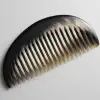
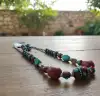
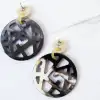
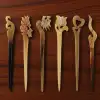
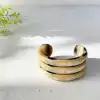
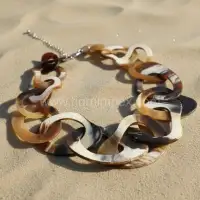
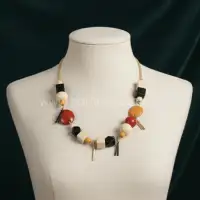
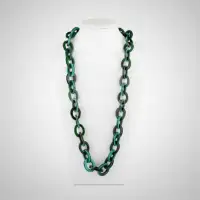
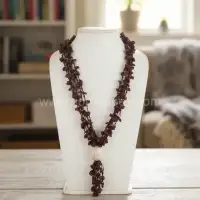
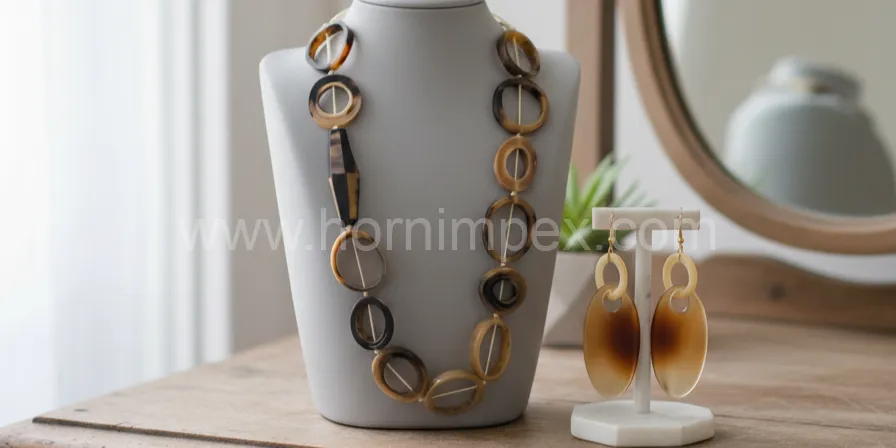
Common buffalo horn jewellery products include:
Each piece has a naturally unique appearance because horn contains variations in:
This individuality is one of the reasons artisans and designers value buffalo horn as a jewellery material.
The ethical debate around buffalo horn jewellery does not come from the jewellery itself. It comes from questions about the relationship between animal materials and responsible consumption.
Modern consumers often compare animal-derived materials and ask:
These questions are important because not all animal-derived materials have the same environmental or ethical impact.
For example:
Understanding this difference is essential when evaluating whether buffalo horn jewellery is ethical.
The most important factor determining whether buffalo horn jewellery is ethical is the sourcing process.
In responsible supply chains, buffalo horn is collected as a secondary by-product from domesticated buffalo used in agricultural systems.
The process generally follows this pattern:
The animal is not raised or harmed specifically for jewellery production.
This distinction separates ethical buffalo horn jewellery from materials obtained through harmful extraction practices.
One of the biggest misconceptions is that buffalo horn is similar to ivory.
They are completely different materials.
| Feature | Buffalo Horn | Ivory |
|---|---|---|
| Source | Domesticated buffalo | Protected wildlife species |
| Composition | Keratin | Dentin |
| Purpose | Agricultural by-product | Historically extracted for tusks |
| Conservation concerns | Low when responsibly sourced | Extremely high |
| International restrictions | Different from ivory regulations | Strictly controlled |
Buffalo horn is not ivory.
Confusing these two materials often creates unnecessary concerns among consumers.
The answer depends on the sourcing method.
Ethically produced buffalo horn jewellery does not involve:
Responsible manufacturers use horn that enters the supply chain after the animal's agricultural lifecycle.
However, ethical buyers should still consider:
A product's ethics depend not only on the material but also on the complete supply chain behind it.
Sustainability is one of the main reasons buffalo horn has gained attention among conscious designers and consumers.
The sustainability of a material depends on several factors:
When buffalo horn is ethically sourced, it follows a circular material approach — using an existing biological resource instead of creating new synthetic materials.
Unlike petroleum-based materials such as plastic and resin, buffalo horn does not require chemical manufacturing from fossil fuels.
Many modern jewellery pieces are made using acrylic, resin, and plastic-based materials. While these materials can create attractive designs, they also have environmental challenges.
| Factor | Buffalo Horn Jewellery | Plastic/Resin Jewellery |
|---|---|---|
| Material source | Natural agricultural by-product | Petroleum-based synthetic material |
| Biodegradability | Naturally biodegradable | Can persist for hundreds of years |
| Microplastic concerns | No microplastic release | Potential long-term plastic pollution |
| Uniqueness | Natural patterns in every piece | Artificially manufactured appearance |
| Durability | Long-lasting with proper care | Can degrade or scratch over time |
Buffalo horn jewellery is not automatically sustainable simply because it is natural. Ethical sourcing and responsible processing are essential.
However, compared with many synthetic alternatives, responsibly produced buffalo horn can offer a lower-impact material choice.
The craftsmanship behind buffalo horn jewellery plays an important role in its ethical value.
Unlike mass-produced accessories created through automated industrial systems, many buffalo horn jewellery pieces are handmade by skilled artisans.
The general process includes:
Artisans carefully select horn pieces based on:
Every horn has different characteristics, making each jewellery piece naturally unique.
The horn material is cleaned and prepared before shaping.
Traditional processing focuses on:
Buffalo horn has a special property — it can be softened with controlled heat and shaped into different forms.
This allows artisans to create:
The ability to reshape horn reduces the need for heavy chemical processing.
Many artisan workshops use manual polishing techniques to achieve:
This handcrafted approach preserves traditional skills and supports small-scale production.
Sambhal, Uttar Pradesh, India, is historically known for horn and bone craftsmanship.
For generations, artisans in this region have developed specialized skills in working with natural materials.
Traditional buffalo horn jewellery production in artisan communities often involves:
This model supports:
Ethical jewellery is not only about the material — it is also about respecting the people who create it.
Sustainable fashion focuses on reducing unnecessary waste and choosing materials responsibly.
Buffalo horn jewellery aligns with some sustainable fashion principles because it:
The material is recovered from an existing agricultural system rather than being created from new synthetic resources.
Well-made horn jewellery can last for many years when properly maintained.
Artisan-made jewellery often has a smaller production scale compared with mass manufacturing.
Using natural materials provides designers with alternatives to plastic-based accessories.
Even when a material has sustainability benefits, responsible purchasing requires awareness.
Before buying buffalo horn jewellery, consumers should consider:
A responsible seller should be able to explain:
Buyers should understand:
Clear product descriptions help avoid misunderstandings.
Ethical jewellery also includes human responsibility.
Important factors include:
Reality:
Not all animal-derived materials have the same impact.
The ethical evaluation depends on:
Reality:
Ethically sourced buffalo horn is collected as a by-product from domesticated animals and is not obtained through live horn removal.
Reality:
Buffalo horn and ivory are chemically different materials.
Horn is keratin-based, while ivory is dentin-based.
Reality:
A natural material still requires responsible harvesting, processing, and trade practices.
Sustainability depends on the complete lifecycle.
A responsible buffalo horn jewellery product should have:
Clear material description
Transparent sourcing information
Domesticated animal origin
Responsible artisan production
No connection with wildlife materials
Honest product labeling
Consumers should avoid sellers who make unclear claims about material origin.
People choose buffalo horn jewellery for several reasons:
Each piece has unique patterns and colours that cannot be perfectly replicated.
Many buyers prefer natural materials over synthetic alternatives.
Artisan-made pieces carry cultural and craftsmanship value.
Quality horn jewellery can become a durable accessory rather than a disposable fashion item.
The answer is: buffalo horn jewellery can be ethical when it is responsibly sourced, transparently produced, and created through fair craftsmanship.
The material itself is not the main concern. The important factors are:
When buffalo horn is used as an agricultural by-product and transformed by skilled craftspeople, it represents an example of how traditional materials can fit into modern sustainable fashion.
For consumers interested in ethical accessories, understanding the complete journey of a product — from material sourcing to final craftsmanship — is the key to making informed choices.
Yes, buffalo horn jewellery can be ethical when the horn is sourced as a by-product from domesticated buffalo and processed through transparent, responsible supply chains.
Ethically produced buffalo horn jewellery does not involve removing horns from living animals or harming animals specifically for jewellery production.
Responsibly sourced buffalo horn jewellery can be considered a sustainable option because it uses a natural by-product, avoids synthetic plastics, and can be biodegradable.
No. Buffalo horn is made of keratin, while ivory is made of dentin. They are completely different materials.
It offers natural beauty, durability, handmade craftsmanship, and an alternative to plastic-based accessories.
Look for transparent sourcing, clear material information, responsible craftsmanship, and sellers who explain their supply chain.
Looking to know more? Get in touch
Buffalo horn jewellery raises important questions about ethics, sustainability, and responsible sourcing. This guide explains whether buffalo horn jewellery is ethical, how the material is sourced, its environmental benefits, and why responsibly handcrafted horn jewellery can be a sustainable alternative to synthetic accessories. It also explores craftsmanship, animal welfare considerations, and what conscious buyers should know before choosing horn-based jewellery.
The Ethical Difference: Why HornImpex is...
No reviews available for this blog.