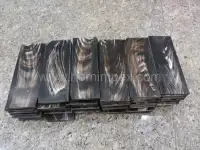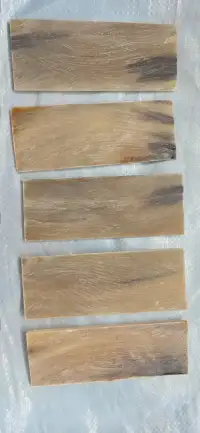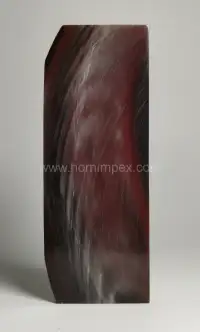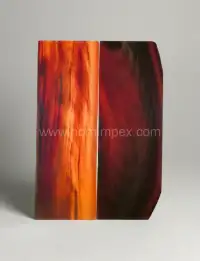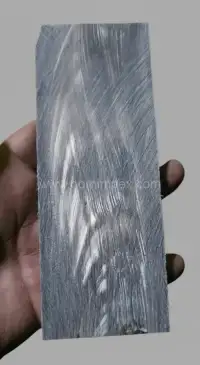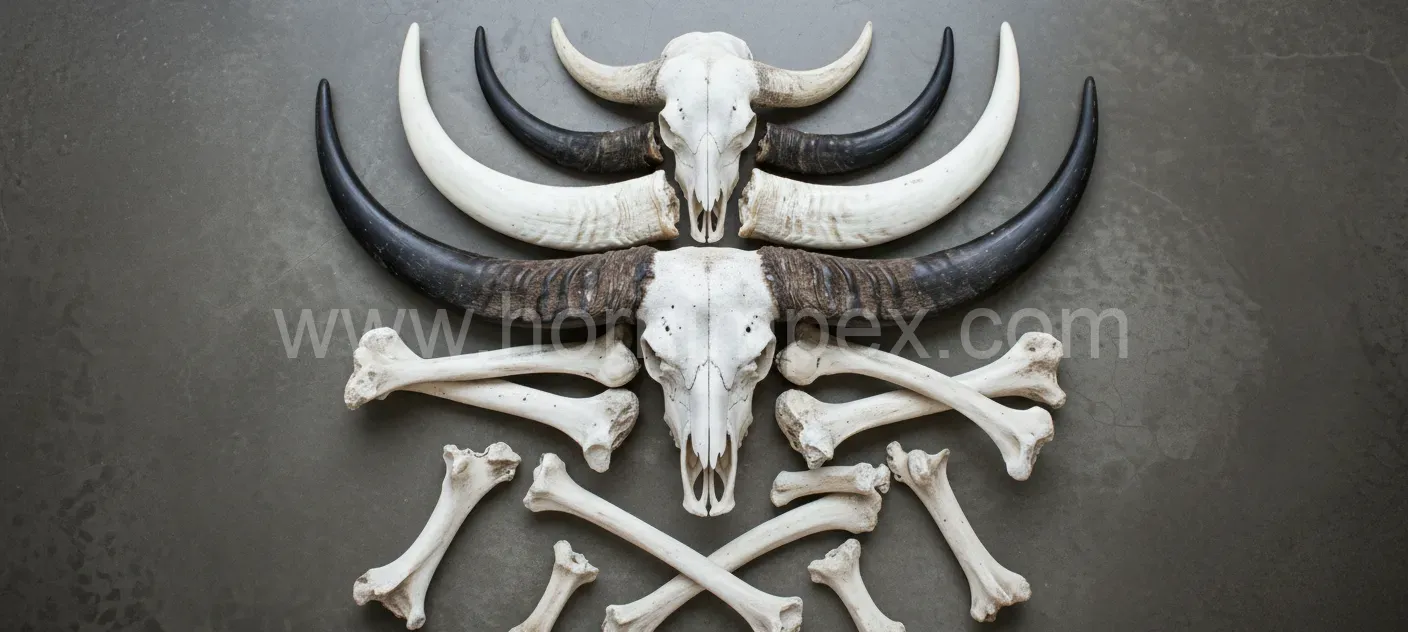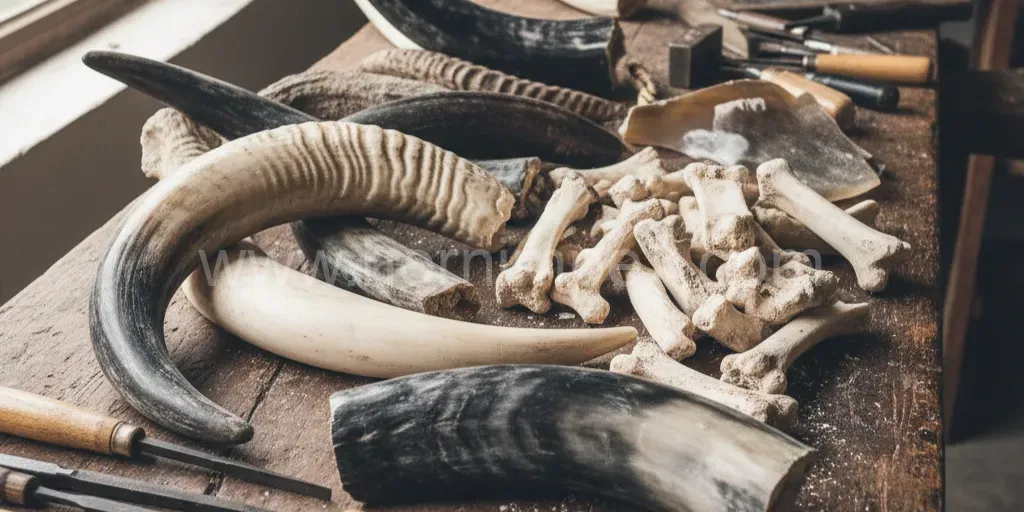
Buffalo horn is a remarkable natural material that has fascinated artisans, designers, and researchers for centuries. Unlike synthetic alternatives, it is a biodegradable, durable, and visually unique material derived from animal byproducts. From delicate jewelry to functional tools, horn has been used in many cultures for both practical and decorative purposes. In India, Sambhal has emerged as a hub of traditional buffalo horn craftsmanship, combining centuries-old techniques with modern design sensibilities.
Understanding buffalo horn is not just about its beauty or utility—it also involves considering material science, sourcing methods, ethical concerns, and sustainability. This section explores these dimensions to provide a comprehensive picture for curious designers, researchers, and ethical sourcing professionals.
Buffalo horn is primarily composed of keratin, the same fibrous protein found in hair, nails, and hooves. Its dense structure makes it strong yet workable for carving, polishing, and shaping into different products. Horn exhibits a natural gradient of colors, from deep browns and blacks to creamy yellows, depending on the age, diet, and species of the animal.
Unlike bone, horn is hollow in the core (particularly in the horns’ inner tubes), which gives it resilience and makes it lightweight for certain applications. It is resistant to minor scratches and can be polished to a smooth, glossy finish, making it highly valued in crafts and decorative arts.
Buffalo horns are usually collected after the animal’s natural life cycle ends, often from dairy or livestock farms. Ethical sourcing ensures no animal is harmed for the sake of raw material. In India, small-scale farmers and cooperative networks supply horns to artisans, creating a circular ecosystem that supports livelihoods while minimizing ethical concerns.
The raw horn is typically cleaned, boiled, and cut into workable pieces before being transported to workshops. The process preserves its natural colors and prevents cracking during shaping.
Sambhal, in Uttar Pradesh, India, has a centuries-old tradition of horn craftsmanship. Skilled artisans here transform raw buffalo horn into buttons, cutlery handles, jewelry, combs, and decorative items using techniques passed down through generations. Sambhal artisans combine hand tools and modern techniques to maintain precision without compromising the material’s natural beauty.
The region is also known for its emphasis on ethical and sustainable practices, ensuring that every piece reflects a balance between aesthetics and responsibility.
Sustainability in buffalo horn sourcing involves two main principles:
Ethical sourcing: Only horns from animals that have died naturally or are byproducts of dairy/livestock industries are used.
Responsible crafting: Efficient use of material, recycling offcuts, and minimizing waste are standard practices among ethical artisans.
Buffalo horn is considered renewable in this sense, as it is a natural byproduct rather than a hunted resource. However, overexploitation, illegal trade, or unethical practices can still pose ecological and moral concerns.
Buffalo horn is legal in most countries if sourced ethically. For example:
India: Legal when sourced from dairy farms or post-slaughter byproducts.
USA & EU: Legal if accompanied by proper documentation; subject to wildlife and trade regulations.
China & Southeast Asia: Often used traditionally in crafts and medicines; legality depends on documentation and trade agreements.
Illegal trade, particularly in horns of endangered species (like rhinoceros), is strictly prohibited. Buffalo horn is often mistakenly grouped with endangered animal horns, so buyers should verify species and documentation.
Ethical concerns focus on animal welfare, environmental impact, and exploitation of artisans. Mislabeling horns from other species or sourcing from animals that were killed for the material raises serious ethical issues. Buyers and designers are encouraged to ask for certifications or source verification to ensure responsible trade practices.
Buffalo horn has multiple applications:
Crafts & Jewelry: Buttons, combs, bracelets, knife handles.
Musical Instruments: Small parts for flutes or other wind instruments.
Decorative Items: Inlays, frames, and luxury craft pieces.
These applications require skilled carving, polishing, and finishing, often done in specialized workshops like those in Sambhal.
Many importers assume that all horns require CITES certification. In reality, buffalo horn from domestic livestock is exempt if properly documented. Misunderstandings can lead to unnecessary delays or legal scrutiny. Being aware of local regulations and providing accurate paperwork ensures smooth trade.
Assuming all horn is the same—buffalo horn differs from cattle, goat, or synthetic alternatives.
Overlooking ethical sourcing and certifications.
Confusing buffalo horn with endangered species products.
Ignoring regional legal requirements.
Proper research and verification help buyers make informed decisions while supporting ethical craftsmanship.
Learn more about sourcing options from certified exporters and explore how ethical and sustainable practices shape the buffalo horn industry.
Looking to know more? Get in touch
Buffalo horn is primarily composed of keratin, the same protein found in human hair and nails. Its dense yet lightweight structure makes it durable and suitable for crafting decorative and functional items.
Ethically sourced buffalo horn comes from animals that have died naturally or from dairy/livestock byproducts. Ethical suppliers ensure no harm to animals, while also preserving local artisan livelihoods.
Yes, buffalo horn is legal if properly documented. Laws vary by country; horns from domestic livestock generally don’t require special permits, unlike endangered species.
Buffalo horn is used in jewelry, buttons, cutlery handles, musical instruments, and decorative crafts. Its unique color and polishability make it versatile and highly valued.
Sambhal, India, is a hub for horn artisans. Skilled craftsmen there use traditional techniques combined with modern tools to create ethically crafted, durable horn products.
Yes, when sourced ethically, buffalo horn is sustainable because it is a byproduct rather than a hunted material. Responsible sourcing and minimal waste practices enhance sustainability.
While synthetic alternatives exist, natural buffalo horn offers unmatched aesthetics, durability, and unique coloration, making it preferred for high-quality crafts.
Buffalo Horn Slabs, Plates, and Scales f...
No reviews available for this blog.