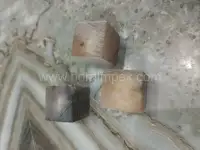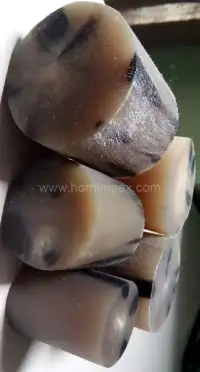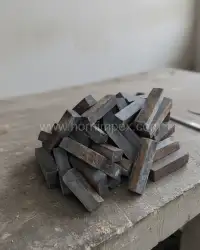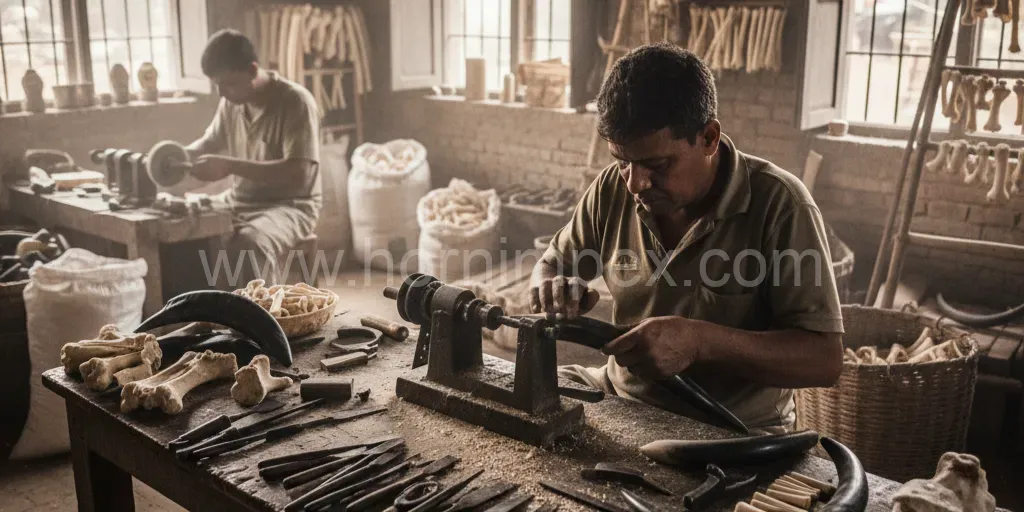
Buffalo horn is a natural, keratin-based material derived from domesticated water buffalo. Chemically, it is composed of keratin—the same protein found in human hair and nails. This immediately separates horn from ivory, bone, or plastic, which are often incorrectly grouped together.
Unlike synthetic materials, horn grows naturally on the animal and is not harvested through killing when sourced responsibly. In regions like India, buffalo horn enters the handicraft supply chain strictly as a byproduct of regulated dairy and meat industries.
Horn has been used for centuries in everyday objects, musical instruments, grooming tools, and decorative items. Its warm texture, organic grain, and durability make it especially attractive to designers seeking alternatives to plastic.
From a material science perspective, buffalo horn is:
Thermoplastic by nature (softens with heat, hardens when cooled)
Non-toxic
Naturally biodegradable
Plastic-free
Unlike resin or acrylic, horn does not release microplastics. Over time, it decomposes naturally without long-term environmental residue.
This makes horn increasingly relevant in sustainability discussions—especially in product design, accessories, and decor.
Ethical sourcing is the most misunderstood aspect.
Buffalo horn used in handicrafts:
Comes only after the animal’s natural life cycle
Is collected as a secondary byproduct
Is not taken from endangered species
Does not involve poaching
In India, slaughter and processing are governed by state and central regulations. Horn material enters artisan clusters only after veterinary clearance and legal documentation.
No animal is raised for its horn alone.
Sambhal (Uttar Pradesh, India) has been a horn and bone craft hub for over 300 years. Artisans here work in small family clusters, passing down skills through generations.
This craftsmanship is:
Manual, not industrial
Low-energy
Tool-based rather than machine-heavy
The focus is shaping, polishing, and finishing—not mass manufacturing. This human-scale production model is often overlooked when people assume horn equals factory exploitation.
When compared to plastic or petroleum-based materials:
Horn uses existing biological waste
Requires no chemical synthesis
Has minimal carbon processing footprint
Ethically, responsible horn usage aligns with circular economy principles—using what already exists rather than extracting new resources.
India:
Legal. Buffalo horn is allowed for domestic use and export when sourced from non-protected animals and accompanied by proper documentation.
United States:
Legal. Buffalo horn is not listed under CITES. Import is permitted with standard customs and wildlife declarations.
European Union:
Legal. Treated as an animal byproduct, not a wildlife product. Proper origin declaration is required.
United Kingdom:
Legal post-Brexit under animal byproduct regulations.
Middle East & Asia:
Generally legal, though some countries require additional veterinary or origin certificates.
👉 Buffalo horn is not ivory and not banned under international wildlife conventions.
The biggest ethical concern is confusion with ivory.
Key distinctions:
Ivory comes from protected species
Horn comes from domesticated livestock
Ivory extraction kills animals; horn sourcing does not
Ethical horn use depends on:
Transparency
Documentation
Traceability
When these are present, horn use is widely considered ethical.
Buffalo horn appears in:
Sustainable product design studies
Museum conservation replicas
Cultural artifacts
Fashion accessory prototyping
Eco-material research
Its relevance is educational and functional, not exploitative.
Common myths:
“Horn is banned everywhere” → False
“Horn equals wildlife product” → Incorrect
“All horn is unethical” → Oversimplified
Most compliance issues arise from poor paperwork, not illegal material.
Confusing horn with ivory
Ignoring country-specific import declarations
Assuming plastic alternatives are greener
Overlooking artisan sourcing transparency
Relying on outdated regulations
Yes. Buffalo horn is legal in most countries because it comes from domesticated animals and is not protected under wildlife laws. It is distinct from ivory and regulated as an animal byproduct, not an endangered material.
Buffalo horn is considered ethical when sourced as a byproduct of regulated industries. No animals are harmed specifically for horn extraction, and its use supports waste reduction and artisan livelihoods.
Yes. It is biodegradable, plastic-free, and uses existing biological material. Compared to synthetic alternatives, horn has a lower environmental footprint when processed responsibly.
No. Ivory comes from protected species like elephants. Buffalo horn comes from domesticated livestock and is not restricted under CITES or wildlife protection laws.
Yes, with correct documentation. Most countries allow buffalo horn imports under animal byproduct regulations, requiring origin and health certificates.
No. Horn used in handicrafts is collected after the animal’s lifecycle. There is no live harvesting or poaching involved in legal supply chains.
From an environmental standpoint, horn is biodegradable and microplastic-free, making it a more sustainable option than petroleum-based plastics.
Learn more about sourcing options from certified exporters who follow transparent, ethical, and compliant horn processing practices.
Looking to know more? Get in touch
Manufacturing Techniques & Craftsman...
No reviews available for this blog.