Buffalo horn has been used in human culture for millennia. From tools and musical instruments to ceremonial drinking vessels, its toughness and workability make it ideal for artisans. Today, DIY enthusiasts are exploring its potential for crafting personalized drinking horns while respecting ethical sourcing.
Buffalo horn is primarily composed of keratin, the same protein found in hair and nails. Its natural strength, flexibility, and unique striations allow artisans to carve, shape, and polish intricate designs. Unlike synthetic materials, buffalo horn ages naturally, developing a patina that adds character.
Ethical sourcing is key. Horns are typically collected from animals that are naturally shed or from animals raised for other purposes, ensuring no harm. Sambhal, India, is renowned for its skilled horn artisans, who have centuries of experience turning raw horn into usable crafting material.
Sambhal has a long tradition of horn carving. Artisans use hand tools to shape horns into drinking vessels, jewelry, and decorative pieces. Their techniques balance tradition and innovation, often combining hand polishing with natural dyes to bring out the horn’s natural patterns.
Sustainable Use: Only using naturally shed or ethically sourced horns minimizes environmental impact.
Ethical Crafting: Avoiding products from endangered species is essential.
Recycling & Repurposing: Old or discarded horns can be reused, reducing waste.
India: Horn trade is legal when ethically sourced and not from protected species.
USA & EU: Strict regulations protect endangered species; buffalo horn (non-endangered) is generally allowed but documentation may be required.
Other Regions: Laws vary, so it’s critical to verify local regulations before importing raw materials.
Ensure the horn is from non-endangered species.
Avoid products from illegal wildlife trade.
Respect artisan communities by understanding their role and rights.
Traditional drinking horns for cultural events
DIY craft projects
Educational tools for history or material science lessons
Some buyers assume buffalo horn is treated like ivory. While similar in appearance, ethical buffalo horn is legal if properly documented. Mislabeling or failing to provide certificates can result in legal complications.
Purchasing from unverified sources
Ignoring documentation and legality
Overlooking material properties, which affect carving outcomes
Looking to know more? Get in touch
Buffalo horn drinking horns have been used in Viking-style traditions for centuries as ceremonial and practical vessels, symbolizing strength, heritage, and craftsmanship across various ancient cultures. Buffalo horn drinking horns are fascinating pieces of traditional craftsmanship that blend history, art, and DIY creativity. Used for centuries in ceremonial and practical contexts, these horns are prized for their durability, unique patterns, and cultural significance. Today, hobbyists and craft enthusiasts are exploring buffalo horn as a medium for DIY projects, combining heritage techniques with ethical, sustainable practices. Understanding how these materials are sourced, the ethical considerations involved, and the legality in different regions is crucial before starting any craft project. This guide offers an educational dive into buffalo horn drinking horn crafting—covering material science, traditional Sambhal craftsmanship, trade regulations, and sustainability considerations—helping crafters make informed, responsible choices.
Yes, crafting with ethically sourced buffalo horn is legal in the USA, provided it comes from non-endangered animals. Documentation of origin may be requested during import. Always verify local regulations to avoid confusion with ivory trade laws.
Buffalo horn is sustainable when sourced ethically. Using naturally shed or byproduct horns minimizes harm to animals, while recycling old horns reduces waste. Sambhal artisans often follow traditional, low-impact methods, making it suitable for environmentally conscious crafters.
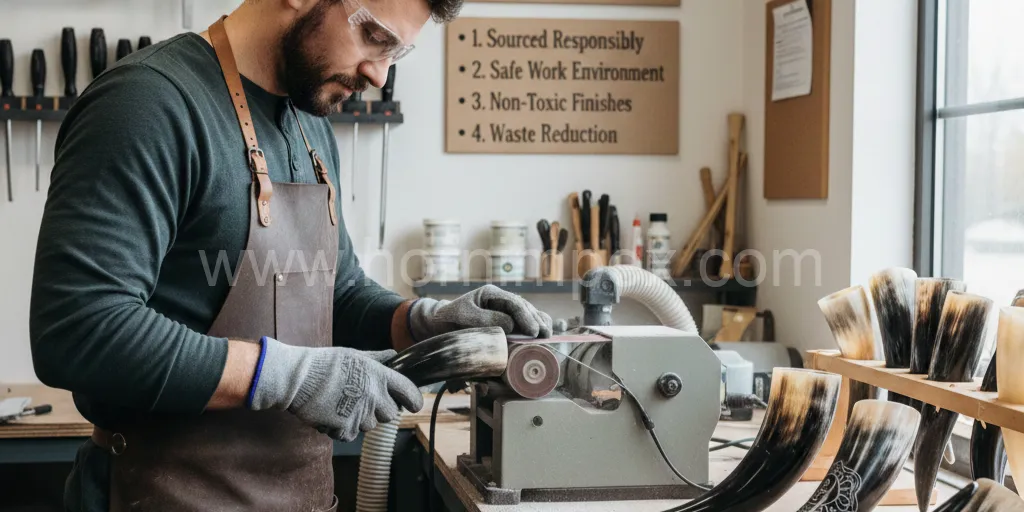
Yes, with proper tools and safety measures. Horn is tough but workable with files, sandpaper, and polishing compounds. Beginners should practice on smaller pieces first and always wear protective gear to avoid splinters and dust.
Buffalo horn is denser, more flexible, and develops a natural patina over time. Bone is more brittle, easier to engrave, but less resilient. Each material has distinct aesthetic and structural properties for DIY projects.
Sambhal in India is historically renowned for horn craftsmanship. Local artisans pass down techniques for shaping, polishing, and decorating horns. Understanding their methods helps crafters replicate traditional styles ethically.
Yes, materials like resin or horn-imitation plastics exist. While easier to work with, they lack the natural patterns and aging properties of real horn. Ethical crafters may choose synthetic alternatives when animal horn isn’t available or permitted.
Unleash Your Maker Spirit: DIY Craft Ide...
No reviews available for this blog.