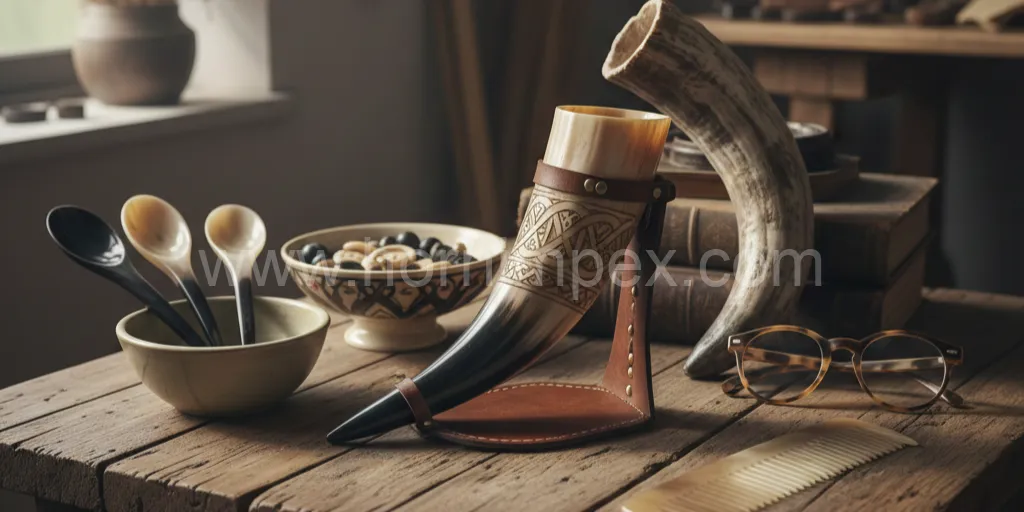
Buffalo horn products represent a fusion of tradition, craftsmanship, and sustainability. For B2B buyers, understanding the material, its origins, and production techniques is essential before investing in bulk or private label products. These natural materials are not only visually appealing but also eco-conscious alternatives to plastics or synthetic substitutes, appealing to markets like the US, EU, UK, Middle East, and Australia. This section dives into the historical significance of buffalo horn, the science behind its durability, and the artisanal methods used to craft it into high-value products.
Sambhal, a city in Uttar Pradesh, India, is renowned as the “Horn Capital of India.” For centuries, skilled artisans have transformed buffalo horns into functional and decorative objects. Historically, buffalo horn products served as utensils, buttons, knife handles, and ornamental items, reflecting both utilitarian and aesthetic value. Today, Sambhal continues to uphold this craft, combining traditional techniques with modern production to cater to international markets.
Global interest in buffalo horn has surged due to its sustainable sourcing and premium appeal. Many retailers and wholesalers prefer Sambhal-made products for their authenticity, craftsmanship, and compliance with ethical standards. Understanding this heritage allows buyers to market their products as both luxurious and socially responsible.
Buffalo horn is composed of keratin, the same protein found in human hair and nails, which gives it remarkable strength, flexibility, and natural luster. Compared to bone, horn is denser and more resistant to cracking while remaining lightweight, making it ideal for fashion accessories, drinkware, and tableware.
Key attributes of buffalo horn include:
Durability: Resistant to daily wear and tear.
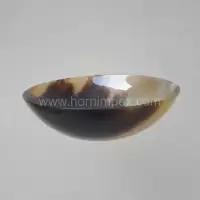
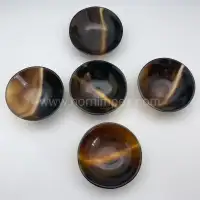
Aesthetic Variety: Rich natural hues ranging from amber, black, brown, and mixed tones, each unique in pattern.
Eco-Friendly: Naturally shed or sourced from ethically culled animals, requiring no harm to wildlife.
These characteristics make buffalo horn products highly desirable for premium markets seeking both functionality and elegance.
The crafting process combines centuries-old artisanal techniques with modern precision.
Traditional Methods:
Hand carving and shaping using knives and specialized tools.
Polishing with natural abrasives and oils to bring out the horn’s natural colors.
Heating to bend or mold horn without compromising structural integrity.
Modern Techniques:
CNC machining for precise cuts in fashion accessories and drinkware.
Advanced polishing equipment for consistent finishes suitable for luxury exports.
Automated quality checks for color consistency, thickness, and durability.
Quality Control: Every piece undergoes rigorous inspection for cracks, discoloration, and structural weaknesses to ensure only export-grade products reach international buyers.
Ethical sourcing is a major concern for global buyers. Buffalo horn used in Sambhal is collected in ways that comply with international wildlife regulations. Most horns are:
Naturally shed or sourced from animals culled for meat (non-lethal use).
Processed using eco-friendly methods with minimal chemical exposure.
Certified under CITES (Convention on International Trade in Endangered Species) and relevant local export regulations.
Investing in ethically sourced buffalo horn products not only ensures compliance but also adds brand value in sustainability-conscious markets like Europe and North America.
Buffalo horn products have witnessed rising demand in key global regions:
United States: Popular for handcrafted drinkware, knife handles, and fashion accessories. Private label brands often seek unique designs for boutique stores.
European Union: High interest in ethical, sustainable, and artisanal products, especially luxury home décor and fashion accessories.
United Kingdom: Retailers emphasize eco-conscious sourcing and design-driven aesthetics.
Middle East: Market prefers ornate, decorative items with cultural or luxury appeal.
Australia & Canada: Growing demand for sustainable, handcrafted, and premium household and lifestyle products.
Retailers and wholesalers should tailor their marketing to highlight the unique origin, craftsmanship, and ethical sourcing of buffalo horn products to meet the expectations of these discerning markets.
Exporting buffalo horn requires adherence to various regulations to avoid legal complications:
CITES Compliance: Ensures sustainable trade of animal-derived materials.
FDA / FSSAI (US/India) Certifications: Required for drinkware or food-contact products.
CE Marking (EU): Applicable for certain consumer goods.
Customs Documentation: Proper HS codes, invoices, and shipping certificates are mandatory.
Buyers must ensure suppliers provide compliance certificates and adhere to international trade regulations.
Buffalo horn products have versatile applications across industries:
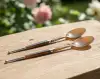
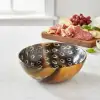
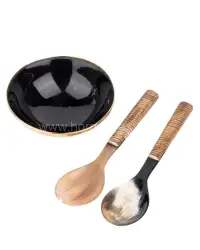
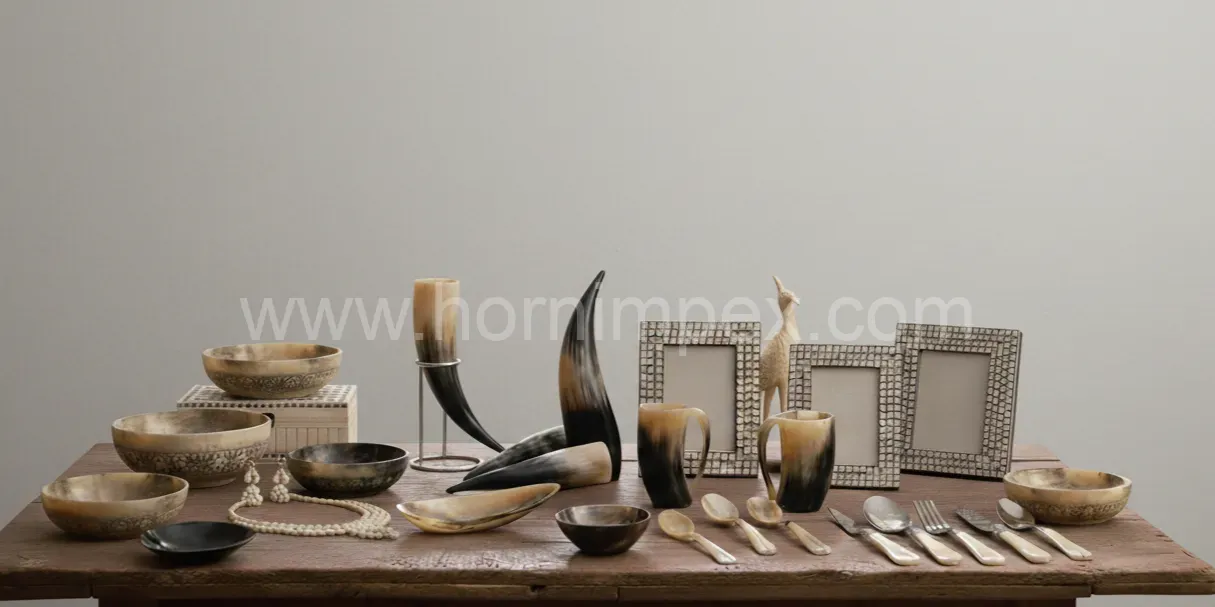
Drinkware: Cups, bowls, and shot glasses with natural patterns.
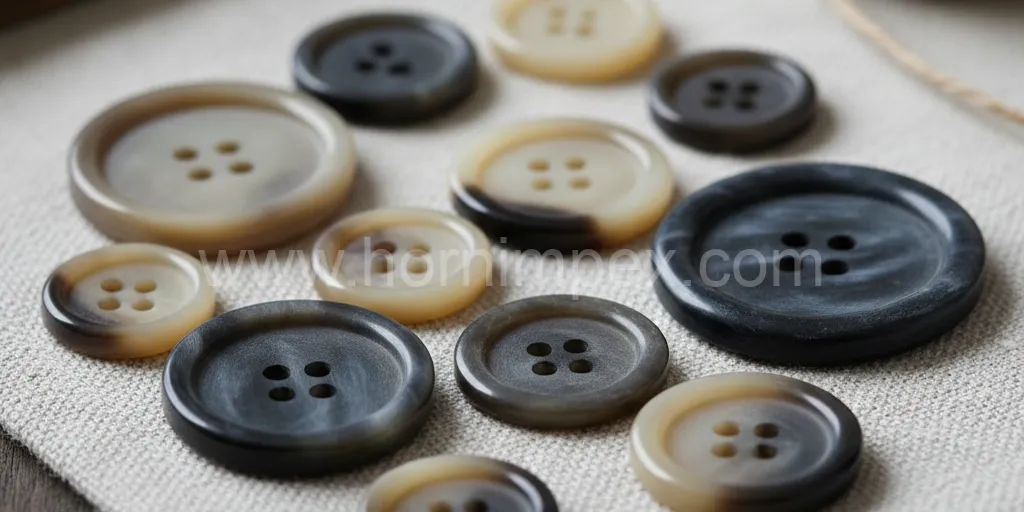
Fashion Accessories: Buttons, cufflinks, jewelry, and belt buckles.
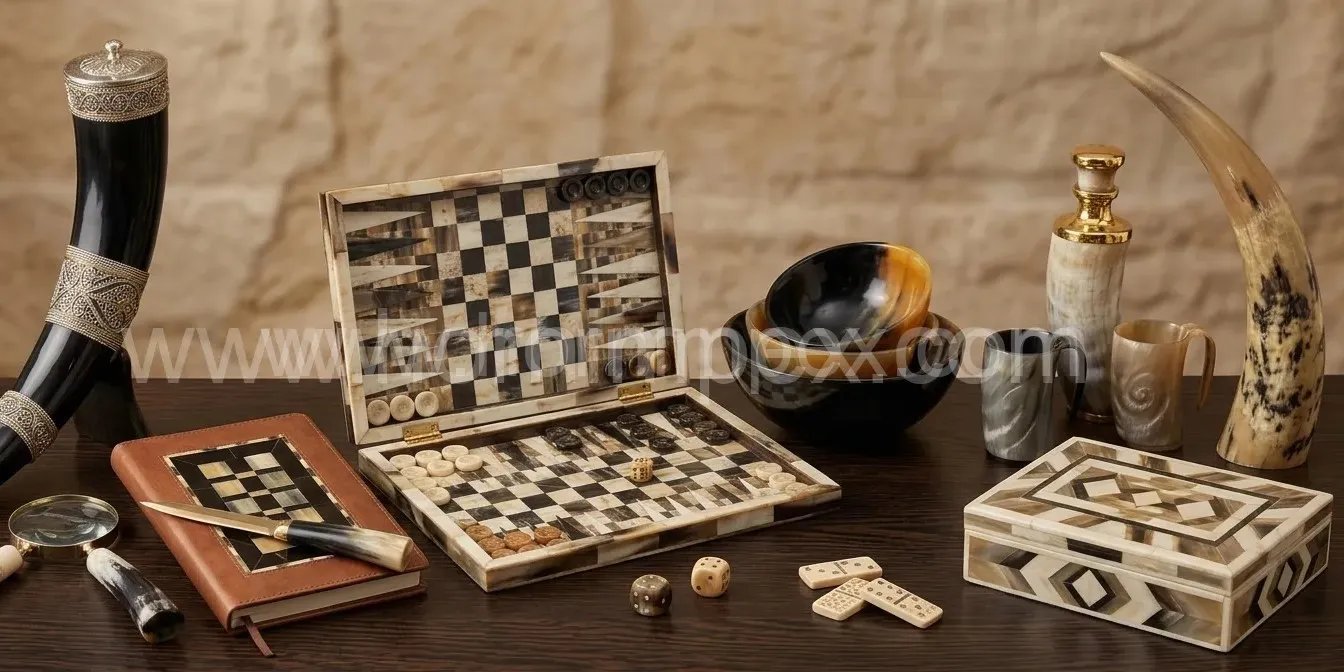
Home Décor: Bowls, sculptures, trays, and other artisan pieces.
Private Label Opportunities: Brands can offer exclusive designs and packaging for premium retail or e-commerce channels.
These applications cater to B2B buyers seeking differentiation in competitive markets.
Pricing: Prices vary based on size, design complexity, and finish quality, ranging from $5–$50 per item for small-scale accessories and $50–$250 for premium drinkware or décor items.
MOQ: Typically 50–200 units per SKU for small buyers, higher for large-scale wholesale contracts.
Quality Control: Inspecting for cracks, color consistency, and polishing finish is critical before shipment.
Investors must balance product cost, shipping logistics, and local market pricing to maximize profit margins.
US Boutique Restaurant: Ordered buffalo horn cups and bowls for unique tableware; emphasized ethical sourcing and promoted sustainability on their social media channels.
UK Fashion Brand: Sourced buffalo horn buttons and jewelry for a private label collection; highlighted artisan craftsmanship and heritage.
Middle East Luxury Retailer: Acquired decorative horn sculptures with intricate hand-carved designs for premium gifting market.
These examples demonstrate the versatility and export potential of buffalo horn products for B2B buyers.
Q1: How can I import buffalo horn products to the US?
A1: US importers must comply with CITES regulations and FDA guidelines if products contact food. Work with certified suppliers and ensure proper documentation for smooth customs clearance.
Q2: What is the difference between buffalo horn and bone?
A2: Buffalo horn is denser, lighter, and more durable than bone. Its natural luster and range of colors make it ideal for drinkware, fashion, and decorative items.
Q3: Are buffalo horn products ethically sourced?
A3: Yes, premium suppliers like HornImpex source naturally shed horns or horns from animals culled for meat, ensuring non-lethal, eco-friendly practices.
Q4: What are typical MOQs for wholesale buffalo horn products?
A4: Minimum order quantities range from 50–200 units per SKU, depending on product type and customization requirements.
Q5: Can I private label buffalo horn products?
A5: Absolutely. Many international buyers collaborate with artisans to create unique, branded designs for exclusive retail or e-commerce sales.
Q6: Which regions have the highest demand for buffalo horn products?
A6: US, EU, UK, Middle East, Australia, and Canada are key markets, with high interest in luxury, sustainable, and artisanal items.
Buffalo horn products offer B2B buyers a unique combination of heritage, craftsmanship, and sustainability. From drinkware to fashion accessories, these premium items appeal to global markets seeking eco-friendly luxury products. By sourcing ethically, understanding market demand, and ensuring compliance, retailers, wholesalers, and private label brands can capitalize on this growing segment.
Ready to source premium buffalo horn products for your market? Contact HornImpex today and explore our wholesale and private label collections.
Looking to know more? Get in touch
Buffalo Horn Finished Buttons: Natural, ...
Horn Products Manufacturer & Exporte...
No reviews available for this blog.